Planning your holiday
What are the best apps for holiday planning?
We’ve listed some of the most useful holiday apps – for before you go and while you’re there.

Make your money go further while you’re away
We discuss the best ways to manage your money abroad, from how to keep it safe to using your debit card while you’re away.
Using a debit card
Your debit card is an easy way to access your money and you can use it in the same way you normally do. You can make purchases and withdraw money from cash machines abroad.
Charges
Charges may apply when you use your card to withdraw cash or pay for something in a different currency1. Check with your bank to learn more about these charges.
Card security
Make sure you keep all your contact details up to date. That way your bank can easily get in touch with you if they notice any suspicious activity in your account.
Using cash
Instead of using your debit card you might prefer to use cash. When you purchase your foreign currency make sure you use a reputable company and get familiar with the local bank notes and coins. If you’re unfamiliar with the currency you may be more vulnerable to tricks, scams or counterfeit money when you’re away.
You can purchase foreign currency through your bank. If you buy your foreign currency with us, we can deliver it to your house for free if you live in the UK. Also, if you’ve some left over we’ll buy back the unused travel money at 0% commission2.
Even if you prefer using a debit card it can be a good idea to bring some cash with you. When you arrive at your destination you might not have access to a cash machine straightaway. So, keeping cash on you can be handy, especially if you have to pay for a taxi from the airport.
Contactless payments
You can pay using contactless in many places abroad. It’s safe and easy – if you have contactless payments enabled on your phone, or a contactless card, you only need to tap the phone or card on a reader to pay.
Apple Pay
You can use Apple Pay on your Apple Watch, iPad or iPhone if your device is running the most up-to-date iOS. Every payment is authorised with Touch ID, so it’s quick and secure to use.
Learn more about Apple Pay.
Google Pay
You can use your Android phone or smart watch to pay with your debit card whenever you see the Google Pay or contactless logo. Your card information is never shared, so your details stay safe.
Learn more about Google Pay.
Ways to keep your money safe
Worried about losing your debit or credit card and cash while you’re away? We advise that you store them separately – that way you can reduce the risk of them both being lost. You can also keep you cash and cards hidden in a money belt or your socks.
Alternatively, if you don’t want to bring all your money out with you, use your hotel’s in-room safe.
If you do need to withdraw cash, look for a reputable cash machine. Try to avoid cash machines in isolated areas and especially at night.
Finally, before you go on holiday, keep a list of emergency contacts. This could include things like local emergency telephone numbers, the number of your hotel reception and your insurance contact number. If any of your cards and money get stolen, report to it the local services straightaway. And don’t forget you can report your card lost or stolen in your app, so you could have a replacement waiting for you when you get home.
What are the best apps for holiday planning?
We’ve listed some of the most useful holiday apps – for before you go and while you’re there.

Stay safe while you’re away
Discover some common issues people face when they’re abroad, such as scams or thefts, and tips on how to avoid them.

…and make money work for you
Your money – the way you spend it, save it and (try to) look after it can be complicated.
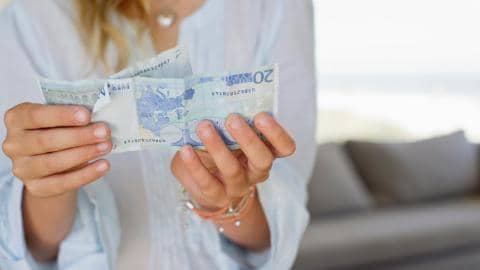
Order your currency before you go for the best deals, plus find out about using your cards abroad.

A secure and convenient way to pay when you’re away
If you’re currently abroad and need to use your debit card, here’s what it’ll cost you to withdraw cash and make purchases.

Report lost or stolen cards, transfer money and call us directly, all from the app.
Barclays Bank UK PLC and Barclays Bank PLC are each authorised by the Prudential Regulation Authority and regulated by the Financial Conduct Authority and the Prudential Regulation Authority.
Barclays Insurance Services Company Limited and Barclays Investment Solutions Limited are each authorised and regulated by the Financial Conduct Authority.
Registered office for all: 1 Churchill Place, London E14 5HP